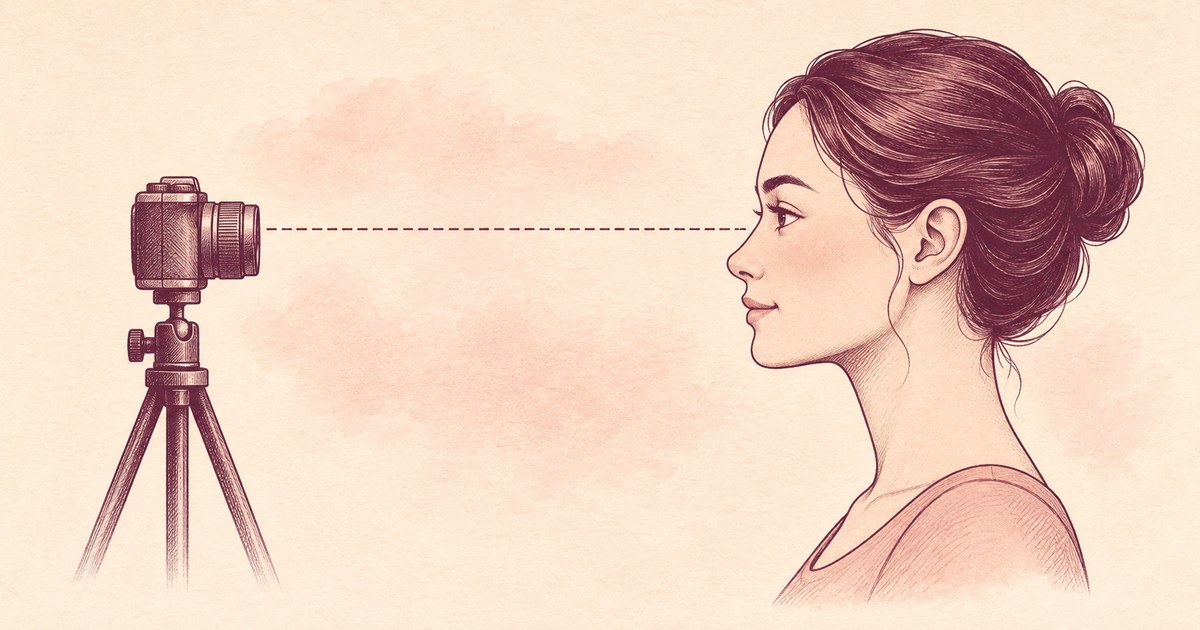
Look at the person’s head position before you look at their jawline. A small chin lift or forward tilt can make the area beneath the chin appear slimmer. The most informative comparison shows the same person, from the same side, in a relaxed pose, with similar lighting and framing. Then check the caption for the service performed and the time between photographs.
If a photo first got you interested in non-surgical double chin reduction, bring it to your consultation in Manassas. You can use it to point out exactly what caught your eye. “I’m interested in the curve just beneath the chin in this side view” tells the provider more than “I want to look like the second picture.”
Start with the ear, shoulder, and chin
It’s easy to focus on the outline beneath the jaw and overlook the rest of the frame. Start a little farther out. Is the person looking straight ahead in both photographs? Is the ear in roughly the same position relative to the shoulder? Can you see the same amount of the far cheek? Those details help you spot a chin lift, a head turn, or a forward lean.
In one small photography study, 20 observers judged pictures of three people photographed in different positions. Extending the neck or moving the head forward made the jawline look more defined to observers. The researchers changed how the subjects posed. That alone was enough to change what people saw beneath the chin.
Imagine a pair of pictures in which the first person appears to be reading a text message and the second appears to be looking at a clock across the room. Even with the dates and service clearly labeled, you’d still want to see both profiles looking at the same point. That’s a reasonable request when a gallery image influences a booking decision.
Check what the camera lets you see
Look for a matching view
A side profile shows the outline from the chin toward the neck. A three-quarter view also shows some of the cheek and the opposite side of the face. If a gallery includes both angles, compare the two profiles first, then the two three-quarter views. Look for similar image size and enough of the neck and shoulder to see how the person was standing. A tightly cropped “after” image gives you fewer clues about posture.
Notice where the shadow falls
Look just below the jaw. Does one picture have a dark shadow where the other is evenly lit? Is one side of the neck hidden by hair or a high collar? When you’re interested in a subtle change, ask to see a pair where that particular area is equally visible. A dramatic difference in lighting can make the edge you’re trying to compare hard to follow.
Read the caption for three details
Which appointment did the person have? Slim & Trim INC’s non-surgical double chin service focuses on the appearance of the area beneath the chin and along the jawline. If a gallery uses a broad label such as “body sculpting,” ask which service produced the example and whether the provider would consider that approach for your concern. Read the studio’s double chin service description.
When was the second photograph taken? “After one visit” tells you the visit count. It leaves open whether the camera came out that afternoon or at a later review. Ask for the elapsed time. That gives you a sensible starting point for discussing when your own provider would suggest reviewing progress.
Did the person have more than one service? If a caption mentions both RF skin tightening and work beneath the chin, ask what each appointment was intended to address. A pair of photos showing the combined course leaves open how much each service contributed. Knowing that can change which example you want to discuss.
Use a photo to explain your own goal
You might like the jawline in a reference picture yet care about something quite specific in your own profile. Try finishing the sentence, “The part I’d like to discuss is…” You may mean fullness directly beneath your chin, the appearance of loose skin, or how the contour looks from one side. You can describe what you see in everyday language and let the provider assess what’s appropriate.
If you and the provider choose to track changes with photos, agree on a view you can repeat and a date to review it. You can also ask who will see the pictures and whether the studio requests separate permission for website or social media use. That gives you a chance to express your preferences before anyone takes out a camera.
Frequently asked questions
Can I bring a selfie to my double chin consultation?
Yes, you can bring one as a conversation starter. Pick an image that shows the concern you want to explain. If you notice it most on video calls or when looking down, tell the provider that detail. They can then look at the area with you in person and discuss what a photograph can reasonably help you track.
What if I can’t see a difference between two photos?
Say which part looks the same to you. Ask the provider to point out the change they see and explain whether it relates to your goal. You may learn that they’re looking at skin firmness while you’re looking at the outline beneath the chin. That distinction is worth making before deciding on an appointment.
How do I arrange an in-person visit in Manassas?
If you’re coming from Woodbridge or Gainesville in Prince William County, or traveling from Fairfax, you can check the studio’s online calendar anytime. Book a listed time and confirm your appointment before traveling. For a same-day visit or a walk-in request, call 240-653-7949 first.
Check free consultation availability on Square
Slim & Trim INC is at 7508 Diplomat Dr, Suite 101, Manassas, VA 20109. Services are for adults 18 and older. Suitability depends on consultation, and individual results vary.